EMERGING
SPACECOLONIZATION
The expansion of human civilization beyond Earth — from orbital stations to interplanetary species
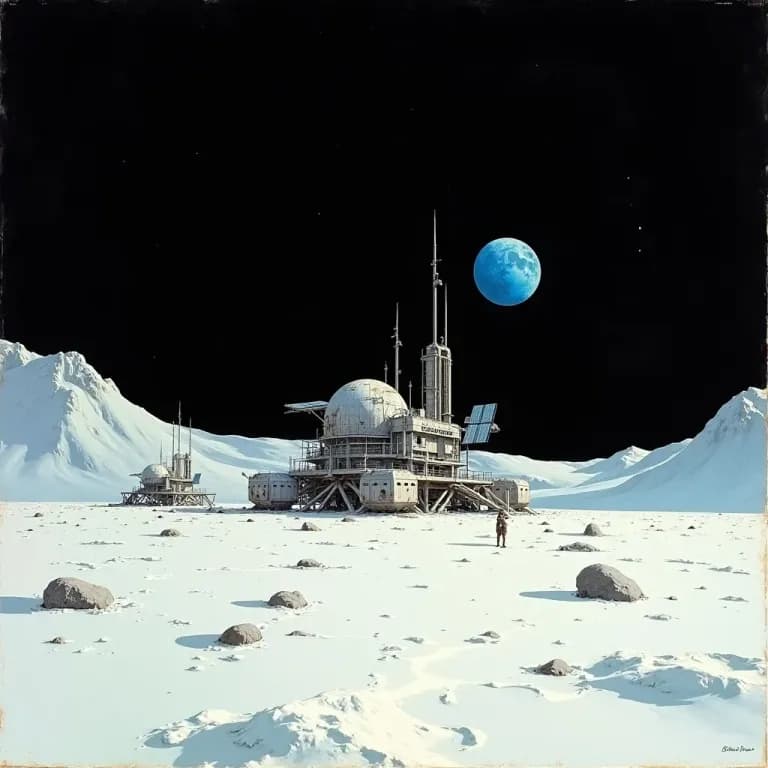
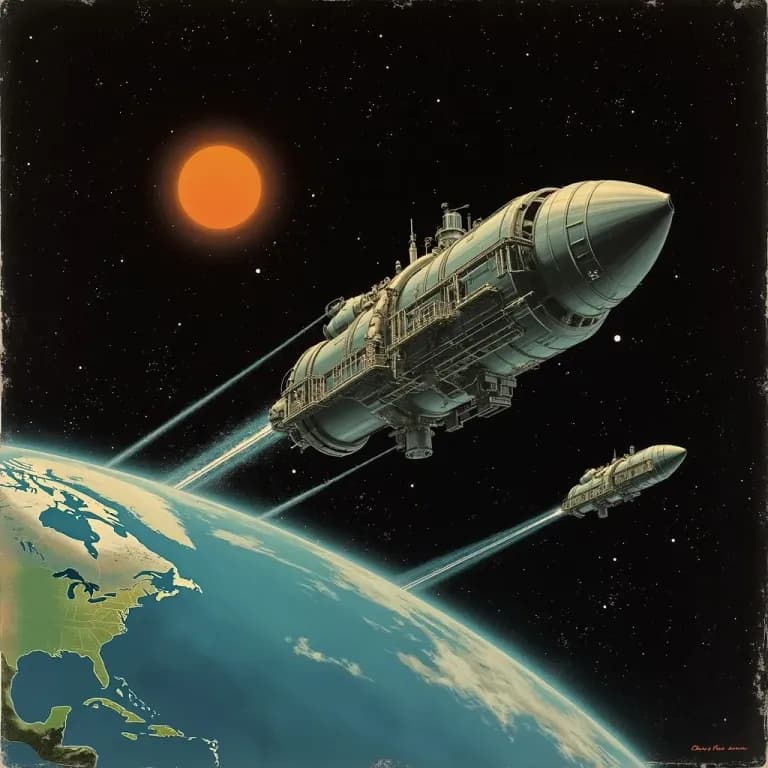
Space colonization is the long-term project of establishing permanent human presence beyond Earth — on the Moon, Mars, in orbital habitats, and eventually across the solar system. For most of the twentieth century, it was government program and science fiction. The entry of commercial launch providers into the sector has reframed it as an industrial roadmap with credible timelines and private capital.
The cost to reach orbit has declined by two orders of magnitude since SpaceX introduced reusable launch vehicles. What cost $54,000 per kilogram on the Space Shuttle now costs approximately $1,500 on a Falcon 9. Starship, when fully operational, targets sub-$100 per kilogram. That cost curve does not just make space cheaper — it makes categories of mission economically feasible that were previously impossible.
The near-term milestones are the Artemis program returning humans to the Moon, the construction of Gateway as a lunar orbital station, and the first crewed Mars mission by SpaceX's internal timeline of the late 2020s. Each of these represents genuine engineering progress, not only aspiration.
The harder question is permanence. A crewed Mars mission is an extraordinary achievement. A self-sustaining Martian colony — one that could survive the interruption of resupply from Earth — requires advances in in-situ resource utilization, closed-loop life support, and radiation protection that are tractable but not yet solved.
// TIMELINE
- Sputnik 1 launched — humanity's first object in Earth orbit
- Apollo 11 — humans walk on the Moon for the first time
- International Space Station construction begins — permanent human presence in orbit established
- SpaceX lands Falcon 9 booster — reusable orbital rocket proven, launch cost curve breaks
- Artemis I uncrewed lunar flyby — NASA's return to Moon program validated
- SpaceX Starship completes full-stack integrated flight tests with successful booster catches